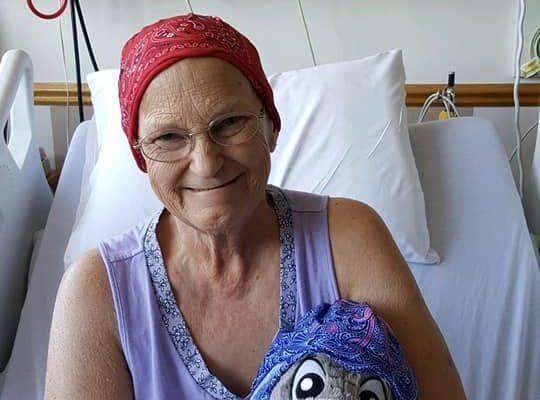

What is Anticipatory Grief? It is a kind of grief that begins long before a funeral. It starts in a doctor’s office, or during a phone call, or in the quiet moment when you realize the person you love is slipping away — slowly, and right in front of you. And if you are living it, you already know the strangest part: you are mourning someone who is still here. You can hold their hand. You can hear their voice. And still, something inside you is already grieving.
Most people don’t have a name for this. Many feel guilty for feeling it at all. But anticipatory grief is real, it is common, and it deserves real support.
What Is Anticipatory Grief?
Anticipatory grief is the grief that arrives before a loss — most often when someone you love is living with a terminal illness, dementia, or a serious progressive condition. Instead of grieving a single moment of loss, you grieve in pieces: the diagnosis, the decline, the changing roles, the future you planned that is quietly being rewritten.
It can also be your own. People facing a life-limiting or chronic illness often grieve in anticipation too — the loss of independence, identity, and the life they expected to live.
Anticipatory grief is not “pre-grieving” that makes the eventual loss easier. It is its own grief, with its own weight, happening in real time while you are still showing up every day.
What is Anticipatory Grief and What it Might Feel Like
No two people carry this the same way, but some experiences come up again and again:
- Sadness that comes in waves, often triggered by small moments — a forgotten name, a hospital bed in the living room, a holiday that feels different now.
- Anxiety and hypervigilance. Waiting for the next test result, the next decline, the next phone call. Your nervous system never fully rests.
- Guilt. Guilt for grieving “too early.” Guilt for moments of wishing it were over. Guilt for laughing, resting, or living your own life while someone you love is suffering.
- Anger and irritability, sometimes at the illness, sometimes at the medical system, sometimes at people who say the wrong thing — or nothing at all.
- Rehearsing the loss. Imagining the funeral. Practicing the words. Your mind trying to prepare for something it cannot actually prepare for.
- Emotional exhaustion from holding hope and grief in the same hands, every single day.
If you recognize yourself in this list, nothing is wrong with you. This is what it looks like to love someone through a long goodbye.
Why Anticipatory Grief Is So Lonely
Grief after a death is recognized. People send cards. They bring casseroles. They give you permission to fall apart.
Anticipatory grief gets none of that. The world sees someone who is “holding it together” — managing medications, attending appointments, updating the family group chat. There is no ritual for this season, no acknowledged mourning period, and very little permission to say I am already grieving.
Many people in this season hear things like “at least they’re still here” or “stay positive.” Comments like these, however well-meant, send a clear message: your grief is not allowed yet. So you carry it silently, often while also carrying the caregiving itself.
That silence is exactly why support matters.
Grieving Now Does Not Mean Giving Up
One of the most painful beliefs I hear from clients is this: If I let myself grieve, it means I’ve stopped fighting for them. It means I’ve given up.
It doesn’t. Grief and love are not opposites — grief is what love does under the weight of loss. You can grieve the future you are losing and still be fully present for the person in front of you. In fact, many people find that when their grief finally has somewhere to go, they have more capacity for presence, patience, and connection in the time that remains.
How Therapy Helps with Anticipatory Grief
Anticipatory grief therapy is not about rushing you toward acceptance or preparing you to “move on.” It is a place where your grief is allowed to exist out loud — maybe the only place.
In our work together, that can look like:
- Naming what you are losing, piece by piece, without judgment
- Untangling guilt from grief so you can stop punishing yourself for being human
- Building ways to stay present with your loved one without abandoning yourself
- Caring for your own nervous system through the long stretch of caregiving and waiting
- Beginning to imagine — gently, and only when you are ready — who you are on the other side of this
You do not have to wait until after the loss to deserve support. The grief is happening now. The support can happen now, too.
Grief Therapy for Anticipatory Grief in Delaware, New Jersey, Maryland, Virginia, Florida, and South Carolina
At Rising Sails, I specialize in anticipatory grief, chronic illness grief, and caregiver grief. I offer online grief therapy for adults across New Jersey, Delaware, Maryland, Virginia, South Carolina, and Florida
If you are grieving someone who is still here — or grieving a future that an illness has rewritten — you do not have to carry it alone, and you do not have to wait for permission.
Schedule a free consultation to talk about what support could look like for you.